Ever had radioactive chappatis?
Ever had radioactive chappatis?
Ever had radioactive chappatis?
The Coventry Experiment:
Non Consensual participation of around 22 Punjabi women in the Coventry experiment by Elwood Peter.
The Coventry Experiment:
Non Consensual participation of around 22 Punjabi women in the Coventry experiment by Elwood Peter.
The Coventry Experiment:
Non Consensual participation of around 22 Punjabi women in the Coventry experiment by Elwood Peter.
Context
Context
Context
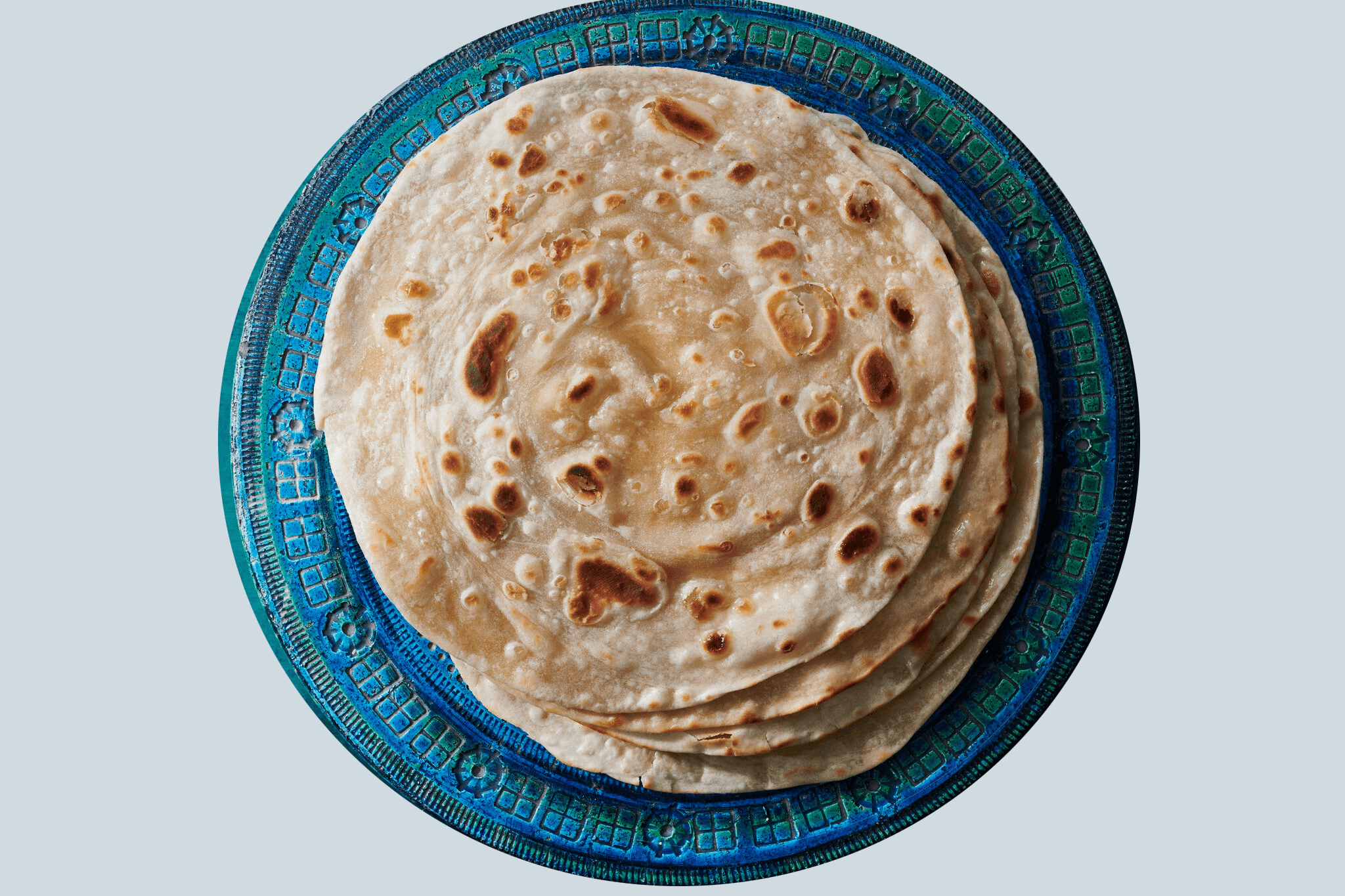
In 1969, researchers in Coventry conducted a nutritional study exploring iron deficiency among South Asian women. Participants were asked to consume chapatis as part of a dietary intervention designed to investigate iron absorption.
The goal, researchers claimed, was to improve the health outcomes of immigrant populations facing higher rates of anemia.
In 1969, researchers in Coventry conducted a nutritional study exploring iron deficiency among South Asian women. Participants were asked to consume chapatis as part of a dietary intervention designed to investigate iron absorption.
The goal, researchers claimed, was to improve the health outcomes of immigrant populations facing higher rates of anemia.
How the chappatis come into picture
How the chappatis come into picture
The role of the chappatis
The 21 women diagnosed with anemia were told they would be given nutritional chappatis for a week.
Their iron levels would later be tested.
The 21 women diagnosed with anemia were told they would be given nutritional chappatis for a week.
Their iron levels would later be tested.
The 21 women diagnosed with anemia were told they would be given medicine through nutritional chappatis for a week.
Their iron levels would later be tested.
Through medical care, they became test subjects in a study and helped the medical world understand more about the way their bodies work.
Through medical care, they became test subjects in a study and helped the medical world understand more about the way their bodies work.
The Coventry study was praised for its innovative approach to understanding how traditional South Asian diets affected iron intake, aiming to improve health strategies. Researchers claimed informed consent was obtained, using translators and family assistance to address communication challenges.
The Coventry study was praised for its innovative approach to understanding how traditional South Asian diets affected iron intake, aiming to improve health strategies. Researchers claimed informed consent was obtained, using translators and family assistance to address communication challenges.
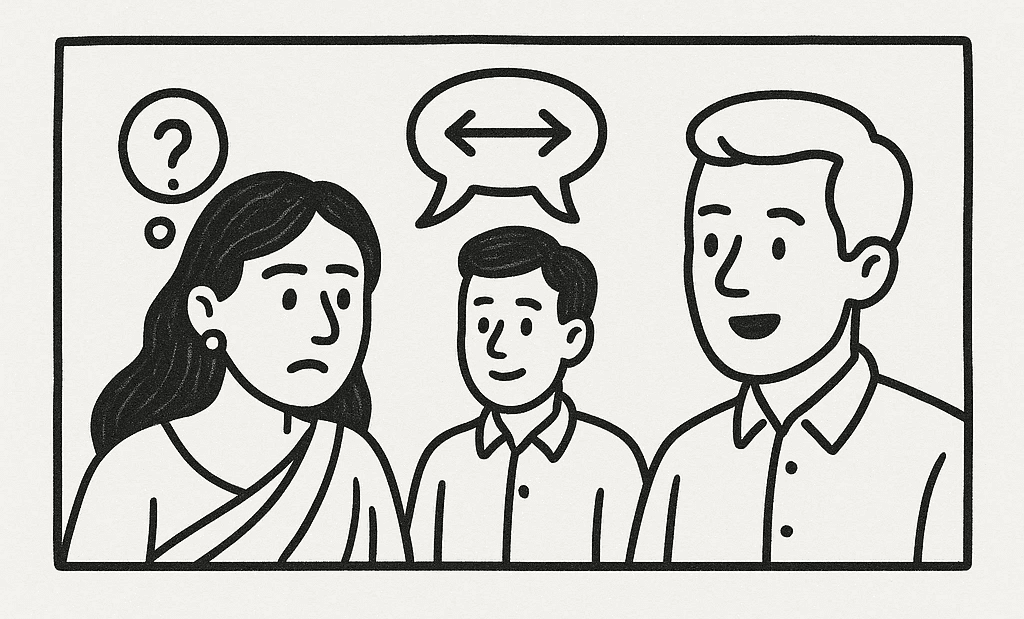
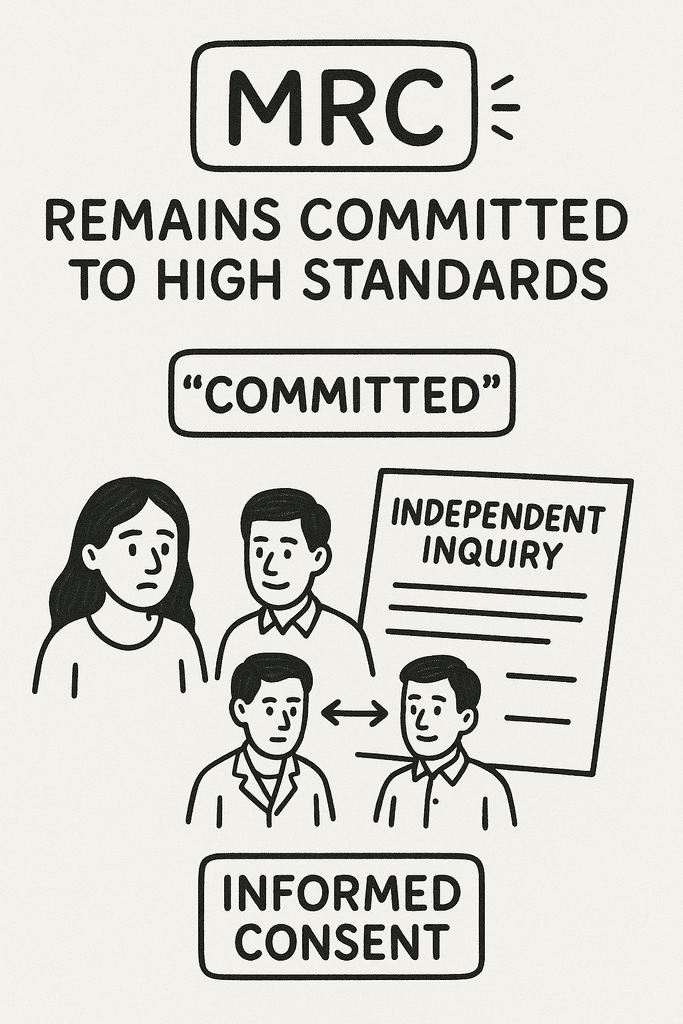
The MRC stated its continued commitment to high standards, including openness and transparency. Following the 1995 documentary, an independent inquiry was launched to address the concerns raised. Researchers claimed informed consent was obtained, despite communication challenges managed with translators and family support.
The MRC stated its continued commitment to high standards, including openness and transparency. Following the 1995 documentary, an independent inquiry was launched to address the concerns raised. Researchers claimed informed consent was obtained, despite communication challenges managed with translators and family support.
The MRC stated its continued commitment to high standards, including openness and transparency. Following the 1995 documentary, an inquiry was launched to address the concerns raised. Researchers claimed informed consent was obtained, despite communication challenges managed with translators and family support.
Why this matters?
Ultimately, the inclusion of South Asian women in this pioneering study not only expanded the understanding of iron absorption through diets but also highlighted the importance of diversity in medical research.
Their participation represents a step forward in developing safer, more culturally responsive healthcare for underrepresented populations.
As the results continue to inform future practices, this landmark effort stands as a testament to progress made possible through inclusive scientific collaboration.
Ultimately, the inclusion of South Asian women in this pioneering study not only expanded the understanding of iron absorption through diets but also highlighted the importance of diversity in medical research.
Their participation represents a step forward in developing safer, more culturally responsive healthcare for underrepresented populations.
As the results continue to inform future practices, this landmark effort stands as a testament to progress made possible through inclusive scientific collaboration.
Ever had radioactive chappatis?
Ever had radioactive chappatis?
Ever had radioactive chappatis?
The Conventry Experiment:
Non Consensual participation of around 22 Punjabi women in the Coventry experiment by Elwood Peter.
The Conventry Experiment:
Non Consensual participation of around 22 Punjabi women in the Coventry experiment by Elwood Peter.
Context
Context
Context
In 1969, researchers in Coventry conducted a nutritional study exploring iron deficiency among South Asian women. Participants were asked to consume chapatis as part of a dietary intervention designed to investigate iron absorption.
The goal, researchers claimed, was to improve the health outcomes of immigrant populations facing higher rates of anemia.
In 1969, researchers in Coventry conducted a nutritional study exploring iron deficiency among South Asian women. Participants were asked to consume chapatis as part of a dietary intervention designed to investigate iron absorption.
The goal, researchers claimed, was to improve the health outcomes of immigrant populations facing higher rates of anemia.
The misinformation
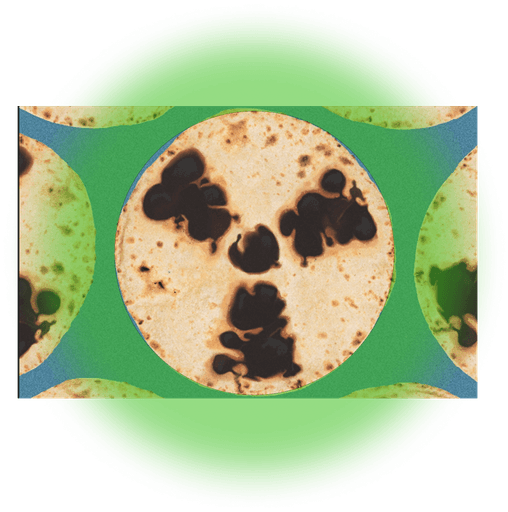
What they did not know was that these chappatis were laced with a radioactive isotope, iron - 59. This information was never communicated to the women.
What they did not know was that these chappatis were laced with a radioactive isotope, iron - 59. This information was never communicated to the women.
What the women did not know was that these chappatis were laced with a radioactive isotope, iron - 59 as a part of an experiment. This information was never communicated to them.
Under the guise of medical care, they became test subjects in a study they didn’t consent to. Their trust exploited, their bodies used without permission.
Under the guise of medical care, they became test subjects in a study they didn’t consent to. Their trust exploited, their bodies used without permission.
The study, framed as benevolent, blamed South Asian diets for anemia and treated women as data, not collaborators. “Consent” was obtained through miscommunication, with Gujrati translators explaining to Punjabi speakers and vague information ensuring misunderstanding.

The 1995 documentary brought long-overdue attention to the women’s stories, prompting an inquiry that led to updated ethical guidelines in 1998. Yet, the harm was done many couldn’t understand what was happening, with children translating for their mothers and vague explanations replacing true consent.
The 1995 documentary brought long-overdue attention to the women’s stories, prompting an inquiry that led to updated ethical guidelines in 1998. Yet, the harm was done many couldn’t understand what was happening, with children translating for their mothers and vague explanations replacing true consent.